




Is there a case for specialized software for academic selection procedures?
Selectus is software that digitally supports committee-based decision-making processes. Such selection procedures are primarily used in the academic environment – for example in faculty recruiting procedures, tenure-track decisions, the selection of PhD or Master’s students, the awarding of scholarships, project evaluations or the awarding of academic distinctions.
But do these processes really require special software such as Selectus? Or would it not be more obvious (and cheaper) to use conventional recruitment software?
The answer depends largely on who you ask.
Enthusiasm among the professionals directly involved
Staff with expertise in areas such as faculty recruiting or grant administration typically recognise the added value of Selectus immediately. They appreciate the unique features tailored to the academic selection process. Because Selectus is specifically designed for these procedures, the software remains streamlined, easy to understand, and straightforward – an advantage particularly for committee members who use it infrequently or only for a single occasion.
A more sceptical attitude from HR and administration
The verdict is often different in HR departments or in general administration. There, employees are involved in many different recruitment processes, value broad coverage of all procedures and are interested in interfaces to systems such as personnel management or vacancy planning. Naturally, specialised niche software cannot always keep up in these areas.
In which cases is specialised software such as Selectus a compelling choice?
The use makes sense especially if:
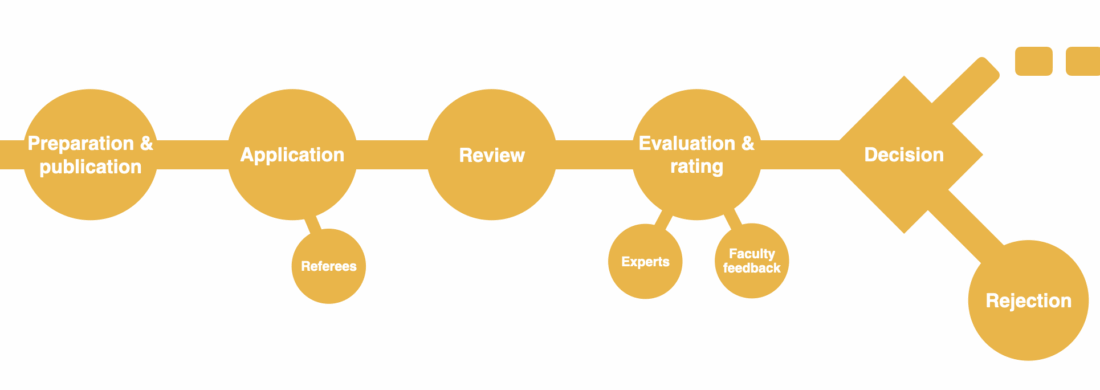
- the selection process has special features that standard solutions cannot accommodate (e.g. specific procedural rules in academic recruiting, involvement of referees and experts),
- processes should be adaptable, e.g. in the event of changes to the regulatory framework,
- ease of use is crucial for occasional users,
- competent support is required – niche software providers often have detailed knowledge of industry-specific challenges,
- interfaces play only a minor role (e.g. if only one or a few people are hired per appointment procedure).
In which cases is standard software the better choice?
A general solution offers advantages if:
-
as many processes as possible should be covered by a single system,
-
the procedures do not involve any major special features and are therefore standardised,
-
interfaces are crucial for transferring large amounts of data to other systems.
Conclusion
When selecting new software, it should not just be about products and providers. More important are the requirements that are paramount – specialisation or scope, ease of use or comprehensive integration. There is no such thing as a ‘jack of all trades’ in the software world either.
Read our case study to find out why the Faculty of Philosophy at the University of Zurich made a conscious decision in favor of Selectus several years ago and which criteria were decisive for introducing Selectus.